Understanding the Basics of Insurance: A Beginner’s Guide
Insurance is an essential part of modern life, offering financial protection against unexpected events. Whether it’s safeguarding your health, home, or business, understanding the basics of insurance is crucial for making informed decisions about your financial security. If you’re new to the world of insurance, this guide will help you understand its core principles, types, and how it works.
What is Insurance?
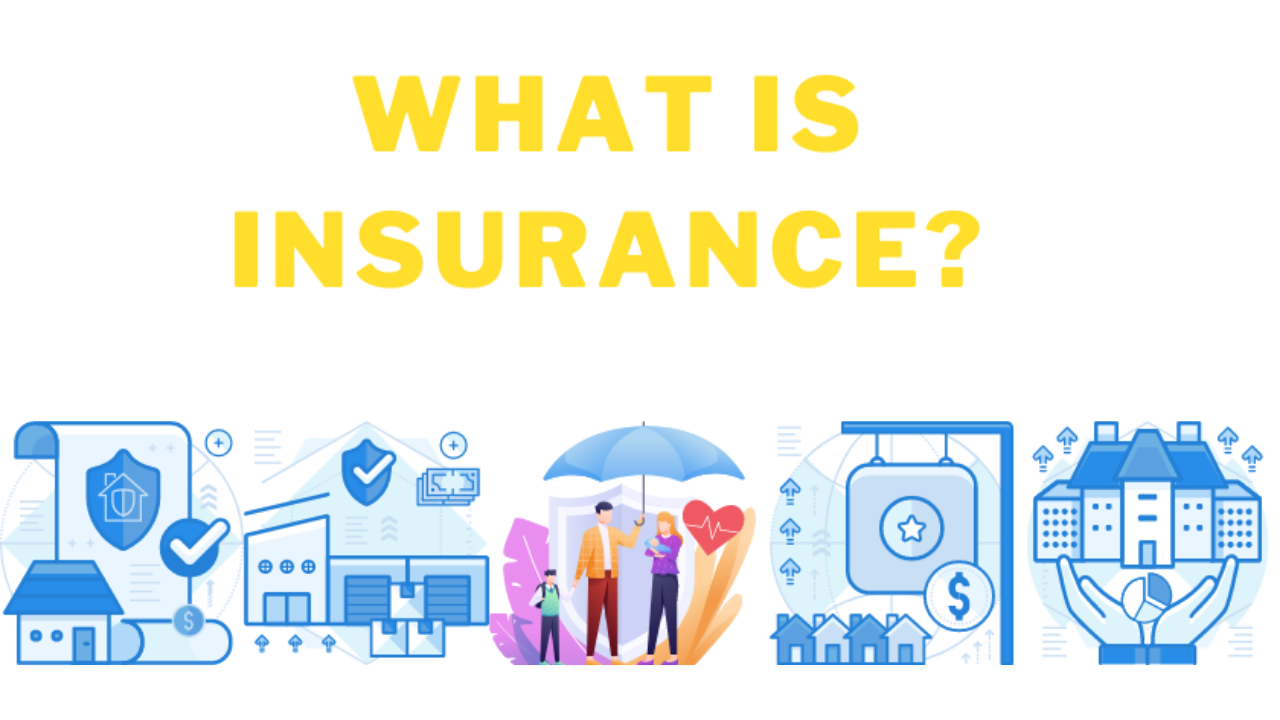
In simple terms, insurance is a contract between an individual (or entity) and an insurance company. In exchange for regular payments called premiums, the insurance company agrees to provide financial protection or compensation in case of specific events or risks, such as accidents, illnesses, or property damage. Insurance helps to spread the risk of loss over many people, so that the financial burden doesn’t fall on one individual alone.
How Does Insurance Work?
The way insurance works is based on the concept of pooling risk. The idea is that a large number of people pay small amounts (premiums) into a common fund. If one of them faces a covered event, the insurance company uses the pooled funds to cover their loss. While not everyone will need to file a claim, the collective contributions ensure that the few who do need help are supported.
Here’s a basic breakdown of the process:
- You Buy a Policy: You purchase an insurance policy tailored to your needs (health, life, auto, home, etc.) and agree to pay regular premiums.
- Risk is Covered: The insurance company evaluates the risks you’re covered for. For example, auto insurance may cover accidents, theft, or natural disasters.
- You File a Claim: If the insured event occurs (say, a car accident), you file a claim with the insurance company.
- Claim is Processed: The insurance company assesses the situation and determines how much compensation you’re entitled to, based on the policy terms.
- You Receive Compensation: If the claim is approved, you’ll receive compensation to cover the costs of the loss or damage.
Types of Insurance
There are various types of insurance, each designed to provide coverage for specific needs. Some of the most common types include:
- Health Insurance: This type of insurance covers medical expenses, including doctor visits, hospital stays, surgeries, and prescription medications. It helps protect you from high medical costs due to illness or injury.
- Life Insurance: Life insurance provides a financial benefit to your beneficiaries (such as family members) in the event of your death. There are different types of life insurance, including term life and whole life, each offering different levels of coverage and benefits.
- Auto Insurance: Auto insurance is required in most countries and covers you in the event of a car accident, theft, or damage to your vehicle. It can also cover medical expenses for injuries sustained in an accident.
- Homeowners or Renters Insurance: This type of insurance provides protection for your home and belongings in the event of fire, theft, or natural disasters. Renters insurance offers similar protection for renters, covering their personal property.
- Disability Insurance: Disability insurance replaces a portion of your income if you become unable to work due to illness or injury. It helps ensure you can maintain financial stability during times when you are unable to earn a paycheck.
- Travel Insurance: Travel insurance protects you against financial losses related to travel disruptions, such as flight cancellations, lost luggage, or medical emergencies abroad.
- Business Insurance: Business insurance protects entrepreneurs and companies against risks such as property damage, liability claims, and employee injuries. There are various types, including general liability insurance and workers’ compensation insurance.
Why Do You Need Insurance?
Insurance is essential for managing the risks in life. Without it, unexpected events could lead to overwhelming financial consequences. Here are a few reasons why you need insurance:
- Protection Against Financial Loss: Insurance helps protect your assets, such as your car, home, or health, against unpredictable events.
- Peace of Mind: Knowing you have coverage for potential risks can provide peace of mind, knowing that you’re not financially exposed if something goes wrong.
- Legal Requirements: In many cases, insurance is mandatory. For example, auto insurance is required in most countries, and employers often need workers’ compensation insurance for their employees.
- Savings and Investment: Some types of insurance, such as whole life insurance, also act as a savings or investment tool, providing financial benefits beyond just protection.
How to Choose the Right Insurance Policy?
Choosing the right insurance policy depends on your needs, preferences, and budget. Here are some steps to help you make an informed decision:
- Assess Your Risks: Think about the risks you’re most likely to face. Do you need health insurance? Is your car or home at risk of being damaged or stolen? Identifying potential risks will help guide your choices.
- Understand Your Coverage Needs: Read the policy details carefully to understand what’s covered and what isn’t. Some policies may offer additional coverage options or endorsements to customize the policy to your specific needs.
- Compare Policies and Premiums: Don’t settle for the first policy you come across. Compare premiums, coverage options, and deductibles to find the best value for your money.
- Check the Insurer’s Reputation: Look for a reputable insurance company with strong customer service and a solid track record in paying claims. Online reviews, ratings, and recommendations can help you make an informed choice.
- Understand the Terms and Conditions: Always read the fine print! Be sure you understand the exclusions, limits, and terms of the policy. Know how to file a claim and what to do if the worst happens.