How to Start a Successful Business from Scratch in 2025
How to Start a Successful Business from Scratch in 2025 – Starting a successful business from scratch is a challenging yet incredibly rewarding endeavor. The landscape of entrepreneurship is constantly evolving, and 2025 presents both unique opportunities and challenges for new business owners. Whether you’re passionate about technology, sustainability, or consumer products, there are many avenues to explore. However, building a business from the ground up requires careful planning, adaptability, and a deep understanding of current market trends.
In this article, we’ll walk through the essential steps to successfully launch a business in 2025, covering everything from ideation to scaling. We’ll also explore modern tools and strategies that can help you navigate the startup world.

1. Identify a Profitable Business Idea
Every successful business starts with a great idea, but the most crucial aspect is that your idea solves a real-world problem or addresses a gap in the market. In 2025, the global landscape continues to change rapidly, influenced by technological advancements, shifting consumer preferences, and a growing awareness of environmental sustainability. Here are some emerging business opportunities to consider:
- Sustainability and Green Businesses: With increasing awareness of climate change, businesses focusing on sustainable practices, eco-friendly products, or green technologies are thriving. Whether it’s clean energy, recycling services, or green construction, there’s an ever-expanding market for environmentally conscious solutions.
- Remote Work Solutions: The shift towards remote work is expected to remain strong even in 2025. Startups that offer innovative tools for remote collaboration, team management, and virtual experiences are in demand.
- AI and Automation: The rise of artificial intelligence and machine learning continues to disrupt industries. A business that provides AI-driven solutions—whether in healthcare, finance, or marketing—can position itself as a leader in the tech space.
- Health and Wellness: As people become more health-conscious, businesses focused on fitness, mental well-being, and personalized healthcare are on the rise. Products or services that help people live healthier lives, whether physical or mental, can be highly profitable.
- E-commerce and Subscription Services: E-commerce continues to boom, and subscription-based business models—whether for food, lifestyle products, or digital content—are still growing.
Finding Your Niche
Once you have an idea, the next step is to refine it into a niche that can provide value to a specific audience. This helps differentiate you from larger competitors and allows you to focus your marketing and product development efforts. For example, rather than a general fitness business, you could target a specific group like seniors, pregnant women, or people with specific chronic conditions.
2. Conduct Thorough Market Research
Before investing too much time or money into your business idea, you must ensure there’s a market for it. In 2025, market research is more sophisticated than ever, with a range of digital tools at your disposal. You can use social media listening tools, customer surveys, focus groups, and competitor analysis to get insights into what your potential customers want.
- Competitor Analysis: Use tools like SEMrush, Ahrefs, or Google Trends to understand what your competitors are doing, what keywords they rank for, and how they position themselves in the market.
- Customer Personas: Build detailed customer personas to understand the demographics, needs, and behaviors of your target audience. This will guide your product development, marketing, and sales strategies.
- Trends and Forecasting: Stay up to date with current and future industry trends. Platforms like TrendWatching, Mintel, or Google Trends can give you insight into consumer behavior shifts that may affect your business in the coming years.
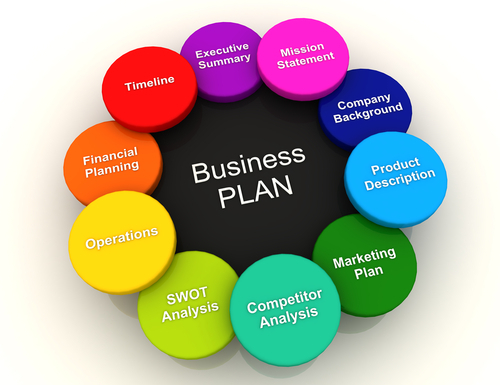
3. Develop a Business Plan
A solid business plan acts as your roadmap, guiding you through each stage of your business journey. It’s also essential for securing funding and attracting investors. In 2025, there are many resources and templates available for building your business plan, but it should cover several key areas:
- Executive Summary: This is a concise overview of your business idea, goals, and vision for the future.
- Market Analysis: A breakdown of your target market, competitors, and potential challenges.
- Products and Services: A description of the products or services you plan to offer, including how they’ll be priced and distributed.
- Marketing and Sales Strategy: Your approach to attracting customers, building brand awareness, and generating sales.
- Financial Plan: Budgeting, projected income, and profit-and-loss statements. Include funding requirements if you’re seeking investment.
- Operations and Team: Your operational plan, including staffing, technology, and logistics.
4. Secure Funding and Resources
In 2025, there are more avenues than ever for securing funding, even for businesses that are just getting started. While traditional methods like loans and investors are still viable, here are some alternative funding options that may be worth exploring:
- Crowdfunding: Platforms like Kickstarter, Indiegogo, and GoFundMe allow you to raise money from a wide audience. Crowdfunding is especially popular for product-based businesses.
- Angel Investors and Venture Capital: If your business idea has high-growth potential, attracting angel investors or venture capital can provide the capital necessary to scale quickly.
- Grants and Competitions: Many government and private organizations offer grants and competitions for startups, especially those focusing on innovation, sustainability, and tech.
- Bootstrapping: If you prefer to retain full control of your business, you can opt to self-fund through personal savings or by generating initial revenue.
5. Build Your Brand and Online Presence
In 2025, your digital presence is crucial to building a successful business. Having a strong brand identity and an engaging online presence can set you apart in a crowded market. Start by focusing on:
- Brand Identity: Your business’s name, logo, color scheme, and voice should be consistent across all platforms and create a memorable impression. Consider hiring a professional designer or using AI-powered design tools to create your brand assets.
- Website Development: A professional and user-friendly website is non-negotiable. Ensure your website is mobile-friendly, fast, and optimized for SEO. You can use platforms like WordPress, Squarespace, or Wix to build it or hire a web developer.
- Social Media Marketing: Platforms like Instagram, TikTok, LinkedIn, and Twitter allow businesses to connect with customers in real-time. Be sure to create a content calendar, engage with your followers, and utilize paid advertising where appropriate.
- Content Marketing: Blogging, video content, and email marketing can help you build trust with your audience and establish authority in your industry.
6. Launch and Test Your Business
Before going all-in with a full-scale launch, it’s important to test your business model. The lean startup methodology, which emphasizes building a minimum viable product (MVP) and iterating based on customer feedback, is highly recommended in 2025.
- Beta Testing: Offer early access to your product or service to a small group of users. Gather feedback, identify bugs or flaws, and make necessary improvements.
- Launch Campaign: Once you’ve tested and refined your product, plan a launch campaign that creates excitement around your business. Use email marketing, social media teasers, and influencer partnerships to spread the word.
- Feedback Loops: Post-launch, be proactive about gathering feedback and continuously improving your business. Engage with your customers through surveys, direct messages, and online reviews.
7. Scale Your Business
As your business gains traction, it’s time to scale. Scaling requires strategic planning, investment in infrastructure, and careful management to avoid growing too fast or losing control.
- Automation and Technology: Invest in automation tools to streamline operations. From inventory management to customer service, using AI and automation can reduce costs and increase efficiency.
- Hiring and Team Expansion: As your business grows, you’ll need to hire employees or contractors. Focus on building a strong team culture and ensuring that each hire fits the company’s long-term vision.
- Expand Marketing Efforts: Scale your marketing by increasing your digital ad spend, reaching out to new audiences, and leveraging more advanced SEO and social media strategies.
- Global Expansion: If your business is local, consider expanding to national or international markets. This could involve setting up distribution networks, local partnerships, or tailoring your product to new regions.
8. Stay Adaptable and Keep Innovating
The business world in 2025 is characterized by rapid change and unpredictability. From technological advancements to economic shifts, you must stay flexible to survive. Continuous innovation—whether through new products, services, or business models—is essential to long-term success. Always be open to pivoting or refining your approach based on market feedback.
Conclusion
Starting a successful business from scratch in 2025 requires not only a great idea but also a clear vision, solid execution, and the ability to adapt to changing circumstances. With the right tools, resources, and mindset, entrepreneurs today have more opportunities than ever to turn their dreams into reality. By following these steps—researching your market, developing a clear business plan, securing funding, building your brand, and staying adaptable—you’ll be well on your way to creating a thriving business in the competitive landscape of 2025.